
As the healthcare and disability sectors rapidly evolve, ongoing education, online learning and practical training are helping nurses and support workers deliver safer, more confident and more person-centred care.
The healthcare, aged care and disability support sectors in Australia are changing rapidly. As participant needs become more complex and expectations around care quality continue to rise, nurses and support workers are increasingly being encouraged to expand their knowledge beyond their original qualifications. What was considered adequate training even five years ago may no longer fully prepare workers for the realities of modern care environments.
Across hospitals, community care, aged care facilities and NDIS services, the demand for workers with specialised knowledge, practical confidence and up-to-date compliance training continues to grow. From medication support and infection control through to neurodiversity awareness and complex care needs, ongoing education is becoming one of the most important investments healthcare workers can make in their careers.
For many professionals already balancing shift work, family responsibilities and emotionally demanding roles, traditional full-time study is not always realistic. That is why flexible online learning and practical blended training models are becoming increasingly important within the sector.
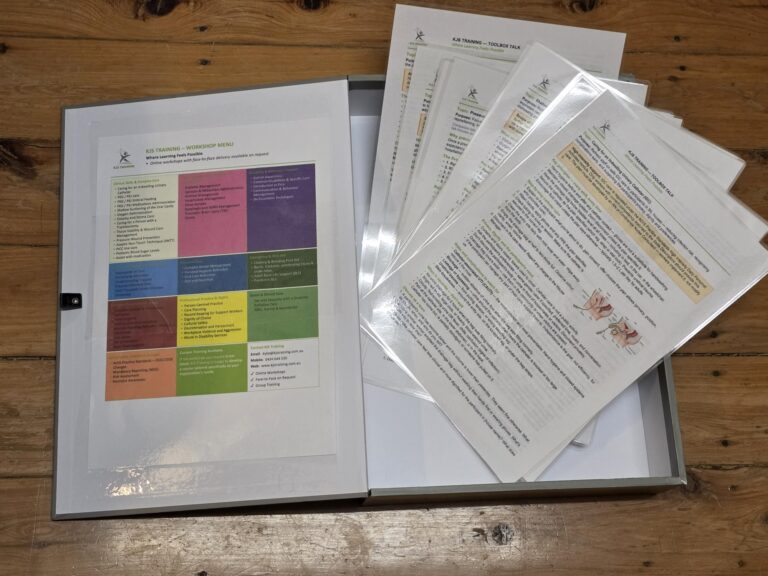
Training providers such as KJS Training are helping bridge that gap by offering both online and face-to-face learning opportunities designed specifically for nurses, carers and support workers wanting to strengthen their skills while continuing to work.
The Care Industry Is Becoming More Complex
One of the biggest shifts occurring across Australia’s healthcare and disability sectors is the increasing complexity of participant and patient needs.
Support workers and nurses are now regularly assisting individuals with highly personalised care plans, chronic conditions, behavioural support requirements, neurological disorders and advanced medical needs that previously may have only been managed within clinical environments.
The National Disability Insurance Scheme (NDIS), combined with an ageing population, has also transformed expectations around person-centred care and specialised support. Workers are increasingly expected to understand not only clinical procedures, but also communication strategies, behavioural approaches, mental health considerations and cultural sensitivity.
Industry training providers across Australia are responding by expanding their course offerings into more specialised skill areas, including medication competency, diabetes management, catheter care, PEG feeding, palliative care and infection control.
This growing complexity means ongoing professional development is no longer simply viewed as an optional extra — it is becoming an important part of delivering safe and high-quality care.
Online Learning Is Making Upskilling More Accessible

One of the most significant changes within healthcare education has been the expansion of online and self-paced learning.
Traditionally, workers often had to attend lengthy in-person sessions, which could be difficult for those working rotating rosters or living in regional areas. Today, many training organisations are introducing flexible online modules that allow workers to study at their own pace while continuing employment.
This accessibility is helping more workers pursue additional qualifications and specialised training without stepping away from the workforce entirely.
Many online healthcare courses now include interactive learning modules, video demonstrations and competency assessments designed to improve both theoretical knowledge and practical confidence.
KJS Training’s growing online course availability reflects this broader shift within the industry. Flexible online delivery allows support workers and nurses to complete essential learning in areas such as compliance, infection prevention, medication assistance and specialised participant care from home or during quieter work periods.
For rural and regional healthcare workers in particular, online learning is helping remove long-standing barriers to professional development and specialised education opportunities.
Practical Training Still Matters
While online learning continues to expand, practical face-to-face training remains essential within healthcare and disability support.
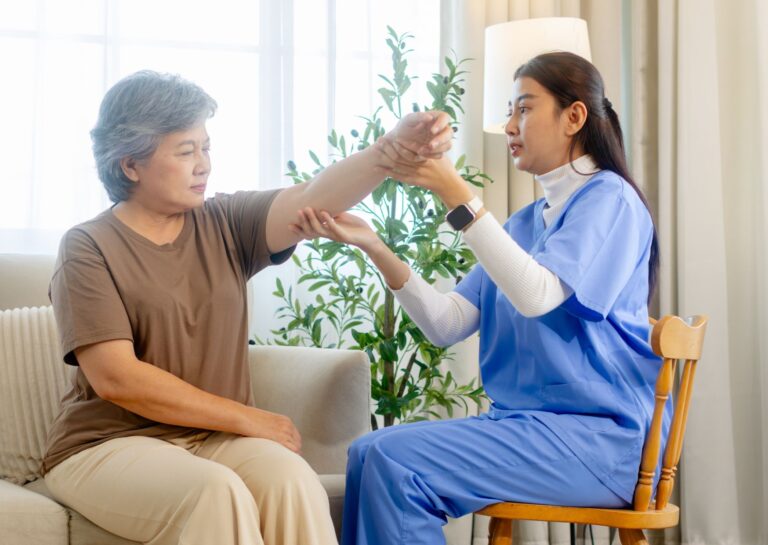
Many clinical and high-intensity support skills require hands-on demonstration, supervised practice and competency assessment to ensure workers feel confident applying techniques safely in real-world settings.
Training providers are increasingly adopting blended learning approaches, combining online theory modules with practical workshops and supervised assessments. This model allows learners to absorb theoretical knowledge flexibly before developing practical skills in person.
Courses involving medication support, manual handling, bowel care, airway suctioning, PEG feeding and behavioural support often benefit significantly from practical demonstration and trainer feedback.
This balance between online flexibility and practical application is becoming one of the most effective ways to support workforce development without compromising care quality.
Confidence and Career Growth Often Go Hand in Hand
Beyond compliance requirements, many workers pursue additional training simply to feel more capable and confident in their roles.
Healthcare and support work can be emotionally demanding professions, particularly when workers encounter unfamiliar conditions or increasingly complex participant needs. Upskilling can help reduce anxiety around clinical procedures, improve communication with clients and families, and strengthen overall decision-making in care settings.
Additional qualifications and specialised training can also open pathways into leadership positions, team coordination roles and more specialised areas of support work.
Courses such as Certificate III in Individual Support and Certificate III in Health Services Assistance continue to provide foundational pathways into the sector, while advanced skill-building programs help existing workers expand their capabilities further.
Importantly, many healthcare employers are increasingly prioritising workers who actively engage in continued professional development and maintain current industry knowledge.
The Sector Is Placing Greater Emphasis on Accountability
Recent reforms across aged care, disability services and healthcare have also increased expectations around compliance, documentation and worker competency.
Following multiple royal commissions and sector reviews, there is now stronger focus on ensuring workers receive ongoing training and maintain up-to-date knowledge aligned with evolving standards and regulations.
NDIS providers, in particular, are expected to demonstrate that workers are appropriately trained and competent in delivering high-intensity and specialised supports.
At the same time, workers themselves are becoming more aware of the importance of choosing quality training providers that offer practical, industry-relevant education rather than simply ticking compliance boxes. Discussions across healthcare and support worker communities increasingly highlight the value of well-structured, accessible and professionally delivered learning experiences.
Investing in Skills Ultimately Supports Better Care
At the centre of all professional development within healthcare is one simple outcome — improving care for the people who rely on these services every day.
Whether it is a nurse building confidence in complex patient care, a disability support worker learning new behavioural support strategies, or an aged care worker updating infection control knowledge, continued education has a direct impact on participant wellbeing and safety.
As Australia’s healthcare and disability sectors continue evolving, the importance of accessible, practical and ongoing training will only continue to grow.
For workers wanting to remain confident, capable and adaptable within an increasingly demanding industry, upskilling is no longer just about career advancement — it is becoming an essential part of providing compassionate, informed and high-quality care.